
A Sales Support Manager owns one outcome above all others: keeping your sales reps selling. The role sits between operations and the sales floor, removing the administrative friction that stops quota-bearing reps from spending time with buyers. In most UK B2B firms, the position reports to the Head of Sales or Head of Commercial Operations and is measured primarily on two input metrics: CRM data quality and pipeline velocity. Copy this line straight into your hiring brief — “The Sales Support Manager is responsible for the operational capacity of the sales team, owning CRM integrity, order and quote workflows, SLA adherence, and the coaching of sales support staff so that field and inside sales reps spend the maximum possible time in front of customers.”
- Reports to: Head of Sales, Head of Sales Operations, or Head of Commercial Operations
- Primary input metrics: CRM data quality score, pipeline velocity
- Immediate action: paste the sentence above into your role profile or job advert today
Table of Contents
- What does a sales support manager do day to day?
- Which KPIs actually measure a sales support manager’s impact?
- What skills and experience should you hire for?
- Where does the sales support manager sit in your organisation?
- Hiring checklist and job description template
- How to onboard a sales support manager in 90 days
- A practical coaching playbook for the role
- What does a well-run sales support function actually deliver?
- Legal and compliance considerations
- Key takeaways
- Why the sales support manager role is undervalued in UK B2B
- Aheadofsales: bespoke support for this exact hire
- Useful sources
What does a sales support manager do day to day?
The responsibilities of a sales support manager split cleanly into four areas. Get these boundaries right at the brief stage and you avoid the scope creep that turns the role into a glorified admin post.
Operational responsibilities
- Own the order processing and quotation workflow end to end
- Maintain CRM data integrity: completeness, accuracy, and stage discipline
- Manage SLA adherence for internal and external queries, escalating where needed
- Liaise with logistics, warehouse, and finance to resolve fulfilment and invoicing issues
People responsibilities
- Coach and line-manage a team of sales support or inside sales staff (real-world UK listings commonly specify teams of five or six)
- Run performance reviews, set individual KPIs, and handle recruitment for the support function
- Deliver structured onboarding for new support staff
Cross-functional scope
- Act as the primary liaison between field sales, marketing, logistics, and finance
- Coordinate stock forecasting inputs with supply chain where relevant
- Support marketing with lead routing and campaign follow-up processes
What the role should NOT own
The Sales Support Manager is not a quota-bearing seller and does not own commercial strategy. Blurring this line is the most common hiring mistake. If you find the role drifting into territory management or pricing decisions, the scope has expanded beyond its purpose. Compare these boundaries with sales manager duties to keep the two roles distinct.
Which KPIs actually measure a sales support manager’s impact?
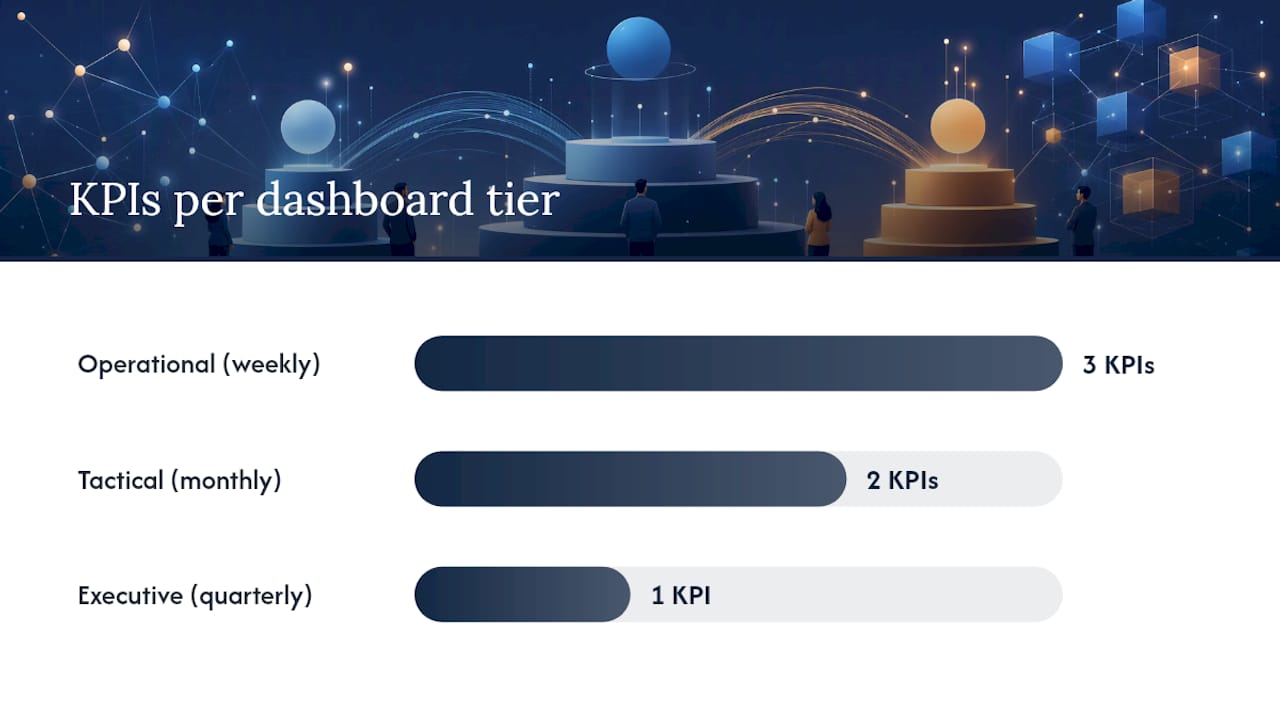
Track inputs, not just outputs. Sales operations metrics guidance recommends building three dashboard tiers: an operational view reviewed weekly, a tactical view reviewed monthly, and an executive view reviewed quarterly. Each tier needs different metrics and a different cadence.
| KPI | Definition | Dashboard tier | Why it matters |
|---|---|---|---|
| CRM data quality score | % of active opportunities with complete, accurate fields | Operational (weekly) | Dirty data corrupts forecasts and wastes rep time |
| Lead response time | Average minutes from lead assignment to first contact | Operational (weekly) | Directly affects conversion at top of funnel |
| Pipeline velocity | (Opportunities × Win rate × Deal value) ÷ Sales cycle length | Tactical (monthly) | Single number showing how fast revenue moves through the pipe |
| Stage conversion rate | % of deals advancing from each pipeline stage | Tactical (monthly) | Reveals where deals stall so fixes can be operational |
| Seller time on non-selling tasks | Hours per rep per week spent on admin, CRM updates, quotes | Executive (quarterly) | The core measure of whether support work is actually freeing reps |
| SLA adherence | % of internal and customer queries resolved within agreed time | Operational (weekly) | Signals process health and team capacity |
The metric most leaders underweight is seller time on non-selling tasks. Tracking whether support work removes seller friction is more meaningful than counting ticket volumes. When ramp time for new reps is excessive, the root cause is usually operational: poor territory assignment, insufficient pipeline, or tool readiness gaps rather than a training deficit alone.
What skills and experience should you hire for?
A strong candidate profile for this role combines process rigour with people leadership. Use this checklist to shortlist and structure your interviews.
Technical skills (must-have)
- CRM configuration and hygiene management (Salesforce, HubSpot, Microsoft Dynamics, or equivalent)
- Reporting in MS Excel or Google Sheets; familiarity with BI tools such as Power BI or Looker is a strong plus
- Experience with order management or ERP systems where the business involves physical goods
- Understanding of pipeline reporting and basic sales forecasting
Behaviours and leadership (must-have)
- Coaching mindset: can develop support staff rather than just directing them
- Process improvement orientation: spots inefficiency and fixes it without being asked
- Stakeholder management: comfortable presenting KPI updates to a Head of Sales or Operations Director
- Clear written and verbal communication across functions
Interview probe questions
Ask candidates to walk you through a CRM they have managed: what fields they owned, how they measured data quality, and what they changed when quality dropped. That single question separates administrators from genuine operators.
Where does the sales support manager sit in your organisation?
The reporting line shapes the role’s authority and its ability to drive change. There is no single right answer, but the trade-offs are worth understanding before you write the brief.
| Reporting line | Pros | Cons |
|---|---|---|
| Head of Sales | Direct alignment with revenue priorities; fast escalation path | Risk of role becoming reactive to individual rep requests |
| Head of Sales Operations | Strong process governance; natural home for KPI ownership | Can feel distant from day-to-day sales activity |
| Head of Commercial Operations | Broad cross-functional authority; good for complex supply chains | Role scope can widen beyond sales support into general ops |
Whichever line you choose, formalise handoffs with each stakeholder group at the start. Marketing needs a defined lead-routing SLA. Logistics needs a named contact for order escalations. Finance needs a weekly reconciliation touchpoint. Without written SLAs, tasks fall between teams and the Sales Support Manager spends their time chasing rather than improving.
Hiring checklist and job description template
Copy-paste job description (employer-facing)
Job title: Sales Support Manager
Reports to: Head of Sales / Head of Commercial Operations
Location: — hybrid or office-based
Role purpose: To own the operational capacity of the sales team by maintaining CRM integrity, managing order and quotation workflows, leading the sales support function, and ensuring SLA adherence across internal and external stakeholders.
Key responsibilities:
- Lead a team of sales support staff: set KPIs, run reviews, and manage recruitment
- Own CRM data quality: audit weekly, resolve gaps, and train the team on correct usage
- Manage order processing, quotation workflows, and customer query escalation
- Produce weekly KPI reports for the Head of Sales or Operations
- Liaise with logistics, finance, and marketing to resolve cross-functional issues
- Identify and implement process improvements that reduce seller admin time
Experience required:
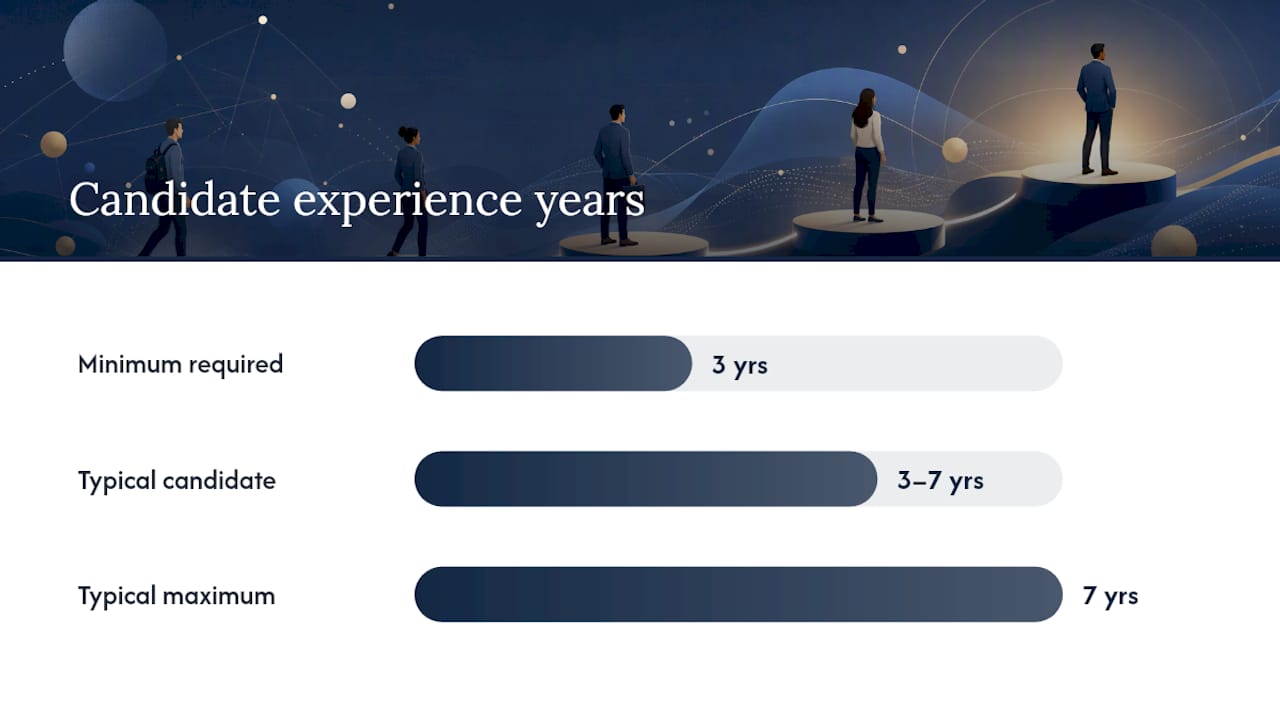
- Minimum of three years in a sales support, sales operations, or inside sales role
- Demonstrated experience managing or coaching a small team
- Proficiency in at least one major CRM platform
Nice to have: ERP or warehouse management system experience; sector experience in FMCG, manufacturing, or technical consultancy
Shortlisting checklist
Must-have: team leadership experience, CRM ownership, process improvement examples
Red flags: no evidence of coaching others, purely transactional admin background, no KPI reporting experience
Experience bands: three to seven years in sales support or operations roles is the typical range in UK B2B listings
Practical interview task
Give candidates a sample CRM export with ten records containing deliberate errors (missing fields, incorrect stages, duplicate contacts). Ask them to identify the issues, prioritise fixes, and explain how they would prevent recurrence. Score on accuracy, prioritisation logic, and the quality of the prevention plan.
How to onboard a sales support manager in 90 days
Pro Tip: Build the 30/60/90 plan before the candidate starts. Sharing it at offer stage signals that the role is well-defined and reduces early attrition.
| Phase | Focus | Observable milestone |
|---|---|---|
| Days 1–30 | Orientation: stakeholder introductions, process mapping, CRM audit | Completed stakeholder map; first CRM quality score baseline recorded |
| Days 31–60 | Process improvement: identify top three friction points, propose fixes, begin SLA formalisation | Written process improvement plan signed off by Head of Sales |
| Day 61 onwards | Performance ownership: KPI dashboard live, team coaching cadence established, first monthly ops review delivered | Monthly ops review presented; seller time on admin tracked for first time |
- Week one: schedule introductions with every key stakeholder (field sales leads, marketing, logistics, finance).
- Week two: run a two-hour CRM hygiene audit with the outgoing or interim owner.
- Week three: map the current order and quotation workflow end to end and note every manual handoff.
- Week four: present findings and a prioritised improvement plan to the Head of Sales.
External training or consultancy is worth considering from day 31 onwards, once the new manager has enough context to apply it. Bringing in structured coaching before the role holder understands the business usually produces generic outputs.
A practical coaching playbook for the role
A Sales Support Manager who receives no coaching quickly reverts to being a senior administrator. Build a repeatable cadence from week one.
Weekly routines
- Monday ops review (30 minutes): review CRM quality score, open escalations, and SLA adherence from the prior week.
- Wednesday stakeholder sync (20 minutes): brief check-in with the Head of Sales on pipeline health and any blockers.
- Friday support triage (15 minutes): review the support team’s workload, identify any tasks that should be escalated or redistributed.
Seller friction audit checklist
- How many hours did each rep spend on CRM updates this week?
- How many quotes were prepared by support staff vs. by reps directly?
- Were any deals delayed because of missing information or slow internal responses?
- Did any rep raise the same process complaint more than once?
Use the audit results in your monthly 1:1 with the Sales Support Manager. If the same friction point appears three weeks running, it is a process problem, not a people problem.
Pro Tip: Track one “hours recovered per rep” figure each month. Even a rough estimate (e.g. two hours per rep per week freed from admin) converts operational improvements into a number the board understands.
What does a well-run sales support function actually deliver?
A UK B2B manufacturer with a field sales team of twelve appointed a Sales Support Manager and ran a structured 90-day onboarding programme. Within the first quarter, CRM data completeness rose from below 60% to above 85%. The sales team’s time spent on non-selling tasks dropped measurably, and pipeline velocity improved as deals moved through stages faster with fewer data gaps holding up forecasting. The Head of Sales reported that weekly forecast calls became shorter and more accurate because the underlying data was reliable for the first time.
Realistic improvement bands for a properly scoped and coached role: CRM data quality typically improves within the first 30–60 days once an audit and correction process is in place. Pipeline velocity and forecast accuracy improvements tend to follow in months two and three as cleaner data feeds better decisions.
High-performing Sales Support Managers often progress into Sales Operations Manager, Head of Sales Operations, or Commercial Operations Director roles. Some move laterally into Revenue Operations as that function grows in UK B2B firms. The role is an excellent development path for people who combine analytical rigour with people leadership.
Legal and compliance considerations
The Sales Support Manager role carries real data and employment obligations. Under the UK GDPR (retained post-Brexit as the UK GDPR framework), the role holder will routinely process personal data: customer contact records, lead information, and CRM data. They must understand the lawful basis for processing, data minimisation principles, and the organisation’s data retention policy. Any CRM audit process should include a check that records comply with the organisation’s privacy notice.
On the employment side, the role involves line management, so the manager must be familiar with UK employment law basics: fair performance management, disciplinary and grievance procedures, and right-to-work checks for any staff they recruit. If the role involves commission or variable pay for the support team, those arrangements must be documented clearly in employment contracts.
This article provides general guidance, not legal or HR advice. Confirm current obligations with a qualified employment solicitor or your HR function.
Key takeaways
A Sales Support Manager delivers measurable seller capacity gains when the role is scoped correctly, measured on input KPIs, and coached consistently from day one.
| Point | Details |
|---|---|
| Define the role outcome first | The BLUF purpose statement (CRM integrity, workflow ownership, SLA adherence) belongs in your job advert before anything else. |
| Measure inputs, not just outputs | Track CRM data quality, pipeline velocity, lead response time, and seller time on admin weekly. |
| Formalise stakeholder SLAs early | Written handoffs with marketing, logistics, and finance prevent tasks falling between teams. |
| Use a 30/60/90 plan from day one | Share the onboarding timeline at offer stage; the first 30 days should focus on audit and stakeholder mapping. |
| Aheadofsales for training and coaching | Bespoke onboarding coaching and fractional sales director support from Aheadofsales helps the role deliver faster, measurable results. |
Why the sales support manager role is undervalued in UK B2B
Most sales leaders I speak with have either never hired this role formally or have hired it without a clear scope and then wondered why it did not move the needle. The honest truth is that a Sales Support Manager without a defined KPI framework and a coaching cadence is just an expensive administrator. The role only earns its keep when it is measured on seller capacity, not on how many tasks it processes.
The other thing I see consistently is leaders waiting too long to bring in external support. The 31–60 day window is the right moment to introduce structured coaching, once the new manager understands the business well enough to apply it. Waiting until performance is already a concern costs far more time and money than a well-timed intervention.
If you are serious about driving consistent sales performance through this hire, build the KPI dashboard before the person starts. It signals that the role is real, the expectations are clear, and the business is ready to support them.
Aheadofsales: bespoke support for this exact hire
If you are defining or filling a Sales Support Manager role and want the process to produce measurable results faster, Aheadofsales offers the practical support that bridges the gap between a job description and a performing hire.

The bespoke training and coaching packages cover role definition, structured onboarding, 1:1 coaching for the new manager, and fractional sales director support for leaders who need experienced oversight without a full-time commitment. Packages start from £4,500–£8,500 for team training and coaching engagements, designed for UK B2B businesses with 50–1,000 staff. If you need sales consultancy support to scope the role, build the KPI framework, or run the first 90-day coaching programme, that is available as a standalone engagement too.
Book a call with Aheadofsales this week to discuss which package fits your hiring timeline and team size.
Useful sources
- Sales Support Manager role example — The Grocer Jobs (Cavendish Maine): a real UK B2B listing showing team size, hybrid working norms, and KPI reporting expectations
- Sales operations metrics — The GTM Advisor: practical guidance on building operational, tactical, and executive dashboard tiers
- Sales Support Manager role and 2026 strategies — Aheadofsales: hiring templates, role scope guidance, and training options for UK employers
- Sales Support Manager listing — Liebherr Great Britain: engineering sector example showing SLA, budget management, and departmental reporting accountabilities
UK GDPR and employment law obligations apply to this role. Confirm current data protection and HR requirements with a qualified solicitor or your compliance function.