
Most advice about sales team assessment leaves british companies searching for answers that actually drive performance. With more than 60 percent of sales managers in the United Kingdom reporting challenges in identifying true skill gaps, the right evaluation method can make or break revenue growth. This guide explores how professional sales skills assessment holds the key to uncovering strengths, areas for development, and the lasting business advantages of tailored training strategies.
Table of Contents
- Defining Sales Skills Assessment and Its Purpose
- Different Approaches to Skills Evaluation
- How Assessments Influence Sales Performance
- Aligning Assessments With Business Growth
- Common Pitfalls When Assessing Sales Teams
Key Takeaways
| Point | Details |
|---|---|
| Sales Skills Assessment Importance | Assessments help identify strengths and skill gaps within sales teams, facilitating targeted training and development. |
| Diverse Evaluation Methods | Employ various assessment techniques to capture a holistic view of salesperson performance, combining quantitative and qualitative metrics. |
| Impact on Performance | Regular assessments foster professional development and enhance sales team capabilities, aligning with organisational growth objectives. |
| Avoiding Assessment Pitfalls | Be mindful of challenges like unclear performance standards and overreliance on quantitative data to ensure accurate and meaningful evaluations. |
Defining Sales Skills Assessment and Its Purpose
Sales skills assessment represents a strategic diagnostic process designed to measure and evaluate a salesperson’s professional capabilities against specific performance standards. By systematically comparing actual performance, businesses can identify precise strengths, critical development areas, and potential skill gaps within their sales teams.
At its core, sales skills assessment involves comprehensive evaluation across multiple professional dimensions. These typically include communication effectiveness, negotiation techniques, product knowledge, customer relationship management, closing abilities, and strategic prospecting skills. The assessment provides organisations with empirical insights into individual and collective sales team performance, enabling targeted training and development interventions.
Critical components of an effective sales skills assessment include standardised measurement tools, objective performance metrics, and rigorous evaluation frameworks. By implementing structured assessment methodologies, organisations can transform raw performance data into actionable intelligence. This approach allows sales leaders to design precision-targeted training programmes, optimise team capabilities, and ultimately drive consistent revenue growth.
Pro Tip: Design annual sales skills assessments that measure both technical competencies and soft skills, ensuring a holistic understanding of your team’s professional development needs.
Different Approaches to Skills Evaluation
Sales skills evaluation encompasses multiple sophisticated methodologies designed to capture comprehensive insights into a salesperson’s performance. Various performance assessment techniques offer organisations nuanced approaches to understanding their sales team’s capabilities, ranging from traditional performance reviews to more dynamic feedback mechanisms.
Performance evaluation approaches can be categorised into several strategic frameworks. These typically include quantitative metrics like sales volume and revenue generation, alongside qualitative assessments such as client relationship management, communication effectiveness, and strategic problem-solving skills. Key evaluation methods comprise performance reviews, peer assessments, self-evaluations, and comprehensive 360-degree feedback systems that provide multi-dimensional perspectives on individual sales team members.
Organisations seeking robust evaluation strategies must balance objective measurement with contextual understanding. Effective sales force evaluation techniques emphasise establishing clear performance standards, integrating both numerical data and behavioural insights. This holistic approach enables sales leaders to develop targeted training programmes, identify potential skill gaps, and create personalised professional development pathways that align with broader business objectives.
Pro Tip: Implement a quarterly skills assessment cycle that combines data-driven metrics with qualitative feedback, ensuring a comprehensive and dynamic approach to sales team development.
Below is a comparison of common sales skills assessment methods and their distinctive business advantages:
| Assessment Method | Data Captured | Key Business Advantage |
|---|---|---|
| Performance Reviews | Objective metrics & targets | Identifies results-driven trends |
| Peer Assessment | Team-based feedback | Highlights collaboration strengths |
| Self-Evaluation | Personal reflection | Reveals motivation and self-awareness |
| 360-Degree Feedback | Multi-stakeholder insights | Provides a holistic performance view |
How Assessments Influence Sales Performance
Sales skills assessments play a transformative role in driving organisational performance by providing critical insights into individual and team capabilities. The Sales Training Evaluation Model (STEM) offers a robust framework for understanding how systematic performance measurement directly correlates with enhanced sales productivity and strategic development.

These assessments significantly impact sales performance by creating targeted intervention strategies. By identifying specific skill gaps, organisations can design precision-engineered training programmes that address individual and collective weaknesses. This approach enables sales teams to develop sophisticated capabilities necessary for navigating complex customer interactions, ultimately translating assessment insights into tangible performance improvements. Sales training effectiveness becomes crucial in equipping salespeople to handle increasingly knowledgeable and discerning customers.
Moreover, continuous assessment creates a culture of ongoing professional development. By regularly measuring performance against evolving industry standards, organisations can create dynamic learning environments that adapt quickly to changing market demands. This approach not only improves individual salesperson capabilities but also builds organisational resilience, ensuring that sales teams remain competitive and agile in rapidly shifting business landscapes.
Pro Tip: Implement a monthly skills gap analysis that tracks individual performance trends, allowing for real-time adjustments to training and development strategies.
Aligning Assessments With Business Growth
Successful organisations recognise that sales skills assessments are not standalone processes, but strategic tools directly interconnected with broader business growth objectives. Machine learning approaches in sales forecasting demonstrate how analytical insights can transform performance measurement into actionable strategic intelligence, enabling businesses to create more precise growth trajectories.
Alignment between sales skills assessments and business growth requires a multifaceted approach that transcends traditional performance evaluation. By integrating comprehensive assessment data with strategic planning, organisations can develop nuanced understanding of their sales capabilities, identifying not just current performance levels but potential future growth opportunities. This approach allows leadership to design targeted interventions that address skill gaps, optimise team performance, and create sustainable competitive advantages.
The most effective alignment strategies incorporate both quantitative and qualitative assessment metrics. These include revenue generation potential, individual and team skill proficiency, customer interaction effectiveness, and adaptability to emerging market challenges. By creating a holistic view of sales capabilities, businesses can develop dynamic training programmes, recruitment strategies, and performance management frameworks that directly support organisational growth objectives.
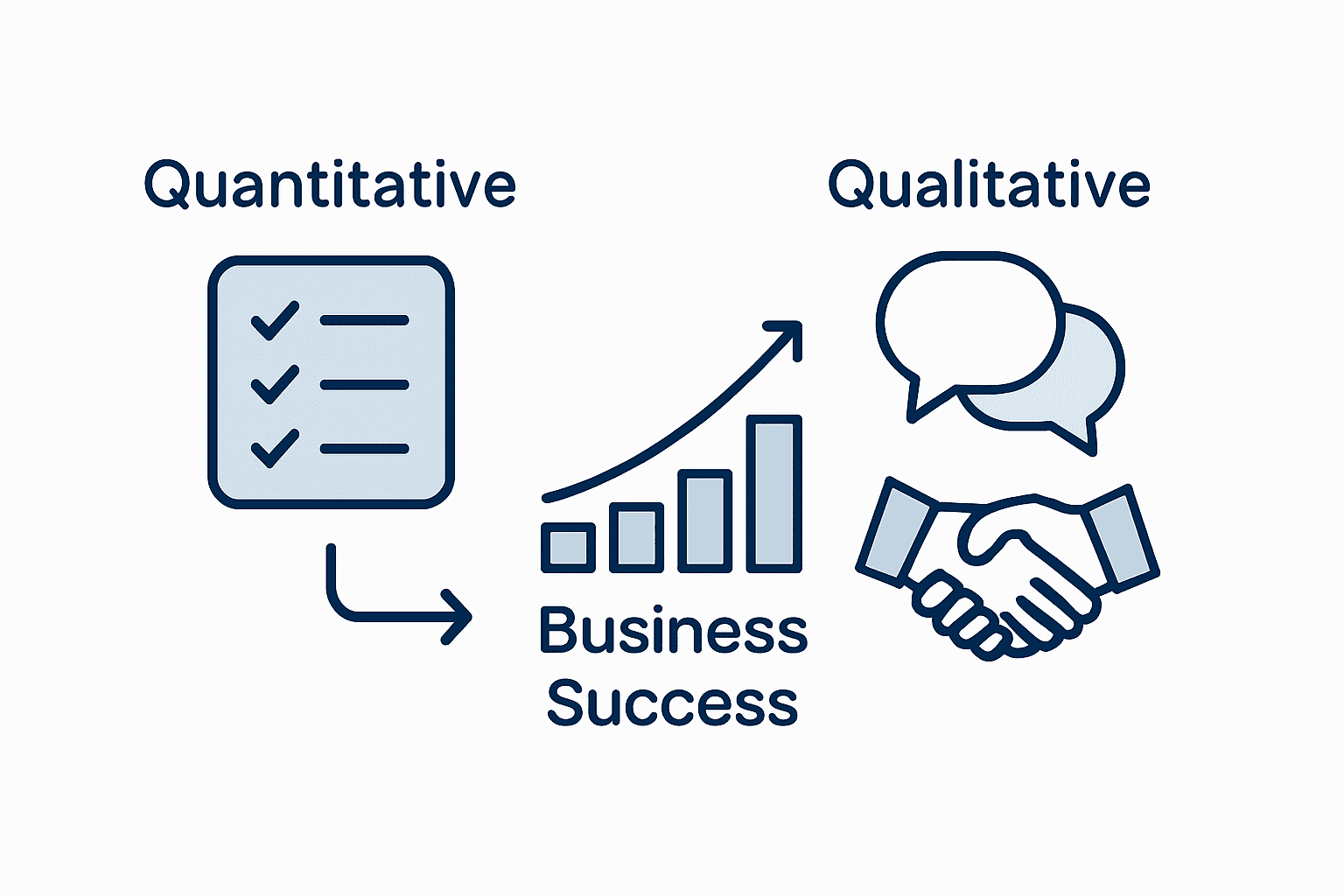
Pro Tip: Develop a quarterly skills mapping process that correlates individual sales performance assessments with specific business growth key performance indicators, ensuring direct alignment between talent development and strategic outcomes.
Common Pitfalls When Assessing Sales Teams
Sales team assessments are complex processes fraught with potential challenges that can significantly undermine evaluation accuracy. Setting unclear performance standards represents one of the most critical pitfalls organisations encounter, leading to inconsistent and potentially misleading performance measurements.
Organisations frequently fall into assessment traps by relying exclusively on quantitative metrics, overlooking the nuanced qualitative dimensions of sales performance. Challenges in evaluating sales personnel reveal multiple potential biases that can compromise assessment integrity, including subjective peer reviews and self-evaluations that lack objectivity. These limitations can create distorted perspectives of actual sales team capabilities, preventing leaders from developing targeted improvement strategies.
Another significant pitfall involves neglecting the contextual factors that influence sales performance. Many assessment frameworks fail to account for external variables such as market conditions, product complexity, customer segments, and individual sales team member’s unique strengths and developmental needs. By implementing a holistic assessment approach that balances statistical data with contextual understanding, organisations can create more meaningful and actionable performance evaluations that truly reflect their sales team’s potential.
Here is a summary of frequent pitfalls in sales team assessments and how they can affect results:
| Pitfall | Impact on Assessment Outcome | Recommended Solution |
|---|---|---|
| Unclear Performance Standards | Inconsistent results across teams | Define specific, transparent criteria |
| Overreliance on Quantitative Data | Missed growth opportunities in soft skills | Combine numerical and qualitative data |
| Ignoring Contextual Factors | Misinterpreted performance findings | Incorporate market and team context |
| Subjective Self/Peer Evaluation | Biased feedback skews real capability | Use objective, structured frameworks |
Pro Tip: Design a multi-dimensional assessment framework that incorporates quantitative metrics, qualitative feedback, and contextual analysis, ensuring a comprehensive and balanced evaluation of sales team performance.
Unlock Consistent Growth by Elevating Your Sales Skills Assessment
Struggling to turn your sales skills assessments into real growth drivers is a challenge many businesses face. This article highlights common pitfalls like unclear performance standards and missing the deeper context behind your team’s capabilities. If your goal is to close these gaps, improve soft skills, and align your sales force with ambitious growth targets, you need a proven strategy that moves beyond simple metrics.
Our tailored 1:1 coaching combined with expert-led training can transform your sales team’s assessment insights into lasting performance improvements. Discover how to build transparent evaluation frameworks and integrate continuous skill development within your team. Start with insights from our comprehensive Sales Strategy Archives – Ahead of Sales and explore actionable tools in the Sales Playbook Archives – Ahead of Sales.

Take the next step towards predictable growth by partnering with a sales training company dedicated to helping businesses like yours achieve a minimum of 50% revenue increase annually. Visit Ahead of Sales today and learn about our bespoke coaching and sales acceleration packages crafted specifically for ambitious organisations ready to hit every quarterly target.
Frequently Asked Questions
What is a sales skills assessment?
Sales skills assessment is a strategic process that evaluates a salesperson’s capabilities against set performance standards, helping organisations identify strengths and skill gaps within their sales teams.
How can sales skills assessments impact team performance?
Sales skills assessments provide insights that enable organisations to create targeted training programmes, addressing specific weaknesses and ultimately improving overall sales performance and productivity.
What approaches are effective for evaluating sales skills?
Effective evaluation methods include performance reviews, peer assessments, self-evaluations, and 360-degree feedback systems, which collectively provide a comprehensive view of a salesperson’s skills and areas for development.
What are common pitfalls in assessing sales skills?
Common pitfalls include unclear performance standards, overreliance on quantitative data, ignoring contextual factors, and relying on subjective evaluations, all of which can lead to inaccurate assessments and hinder effective skill development.
Recommended
- Why Consistent Sales Training Drives Sustained Growth
- How to Conduct Sales Training for Consistent Growth
- Sales Team Management Workflow for Sustainable Growth – Ahead of Sales
- Sales Training Matters: Complete Guide for Growth – Ahead of Sales
- A Guide to Cybersecurity Risk Assessment Services Overview – Heights Consulting Group